The last few weeks, we have been focused on Matthew’s account of the formation of the disciples. Many scholars see chapters 14 through 18 of Matthew’s Gospel as a discourse on how disciples of Jesus ought to act, not only with respect to God, but towards one another. I have purposely been weaving little teachings on the Four Cardinal virtues into my homilies because these virtues are excellent tools for us to embrace not just a more fulfilling human life, but through the Theological Virtues, to…
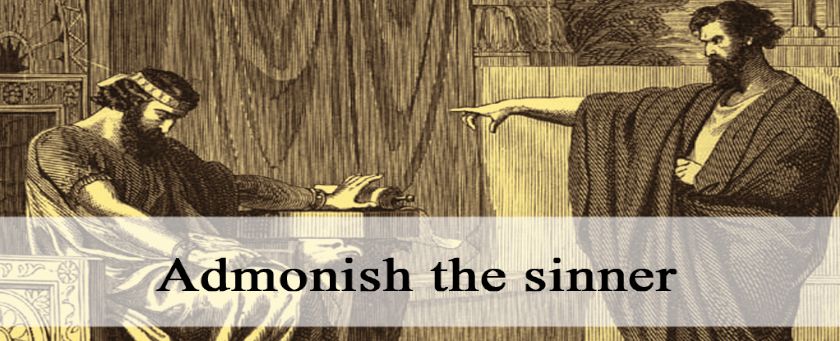
Last week I spoke about the importance of the cardinal virtue of prudence, and the way in which exercising prudence helps us to make better decisions, but also the way in which prudence can help us discern the will of God. Prudence is essentially right reason applied to practice, or doing what is right because it is the right thing to do. Today, our readings all touch upon another cardinal virtue, which is fortitude. The virtue of fortitude, according to St. Thomas Aquinas, is that which enables…
Earlier this month, I joined a few online meetings with our fifth and sixth grade summer catechism students. One of the topics we discussed were the theological and cardinal virtues. The theological virtues are special graces given by God, which draw us closer to Him. They are faith, hope, and love. The cardinal virtues are those virtues that can be practiced by anyone; they are part of the natural, rational order of human beings. These were first observed and categorized by Ancient Greek…
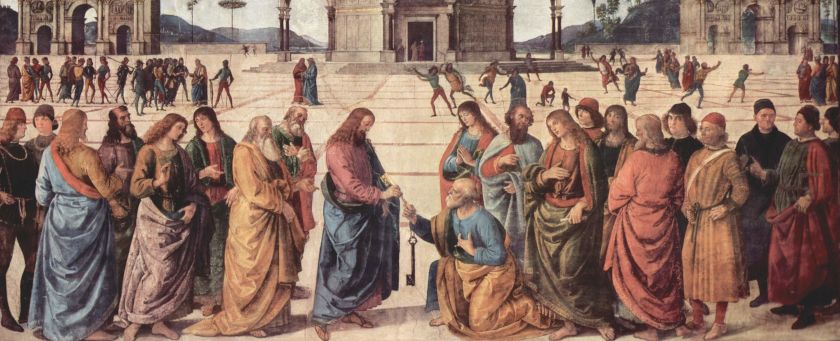
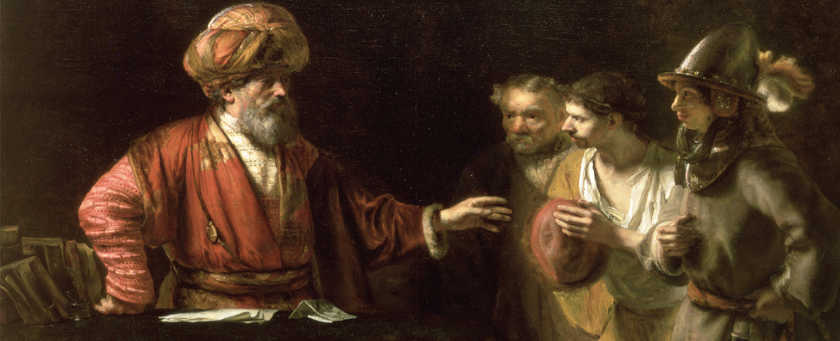
God has a plan for your life. I know I’ve preached on this idea before, but it’s true. We see this in all three of our readings today. In the first reading, the Lord replaces Shebna, the master of the palace, with Eliakim. I learned something interesting from our pastor yesterday: The master of the palace was essentially the gate keeper, and he was given the keys, which he wore on his shoulder, not only as a symbol of his status, but also of his responsibility to open the gates for those seeking…